

Custom operational workspaces
Bring customer history, reports, quotes, orders and team decisions into a workspace built around the people using it.
Starting with the one part of your business that is hardest to run.
I connect workflows, information and AI agents in a focused workspace, with clear permissions and human control where it matters. We can start with one workflow and connect more of the operation as the scope earns it.
Step one
Engagements start by naming the part of the business that is hardest to run. Answer it here and it comes straight to me. It is a conversation, not a commitment.
What we can work on
Bring customer history, reports, quotes, orders and team decisions into a workspace built around the people using it.
Connect supported supplier information to quotes and orders, call history to follow-up, and product records to marketing across your existing tools. Start with one workflow; extend the connections through agreed scope.
Let agents read relevant information and carry out permitted business actions inside your apps, with defined identities, scopes and review boundaries.
Agent participation
An agent might prepare a quote from supported supplier information, draft a follow-up from customer history, or assemble a listing from product records. The business workflow defines the task; its exception and approval rules define the limits. Its access should match that job: which records it can read, which actions it can take, and when a person decides.
Design the staff workflow and agent lanes together, so the same business records support both.
Define a bounded set of reads and actions around a workflow your team already uses.
Named agent identities and scoped routes define permitted access. Approval boundaries, assignments and activity records make work reviewable. Some publishing lanes can act under agreed gates; exceptions can require human review. Downstream permissions and a configured action receiver still matter: an available route alone does not establish a working integration.
What gets built
These are the larger end. Most grew out of one problem an owner could name; one is a demo I am building myself, and it says so. A first step is usually much smaller. Customer records and financial figures are redacted, and each case says whether it is in use or a demo.
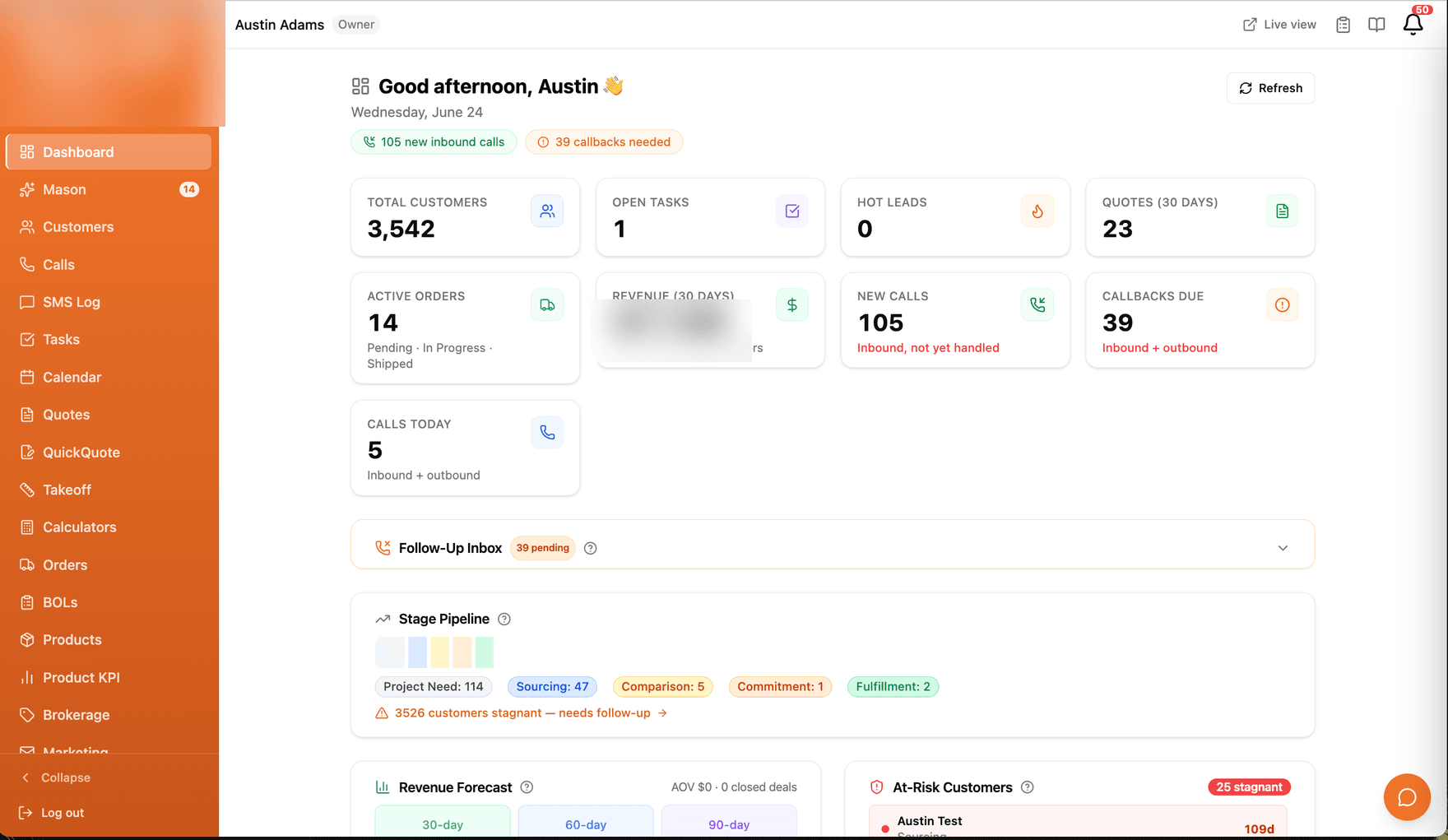
Flagship proof · Building materials · Nashville
Operating system
A workspace connecting customer, supplier and marketing work.
Explore the ShopBoss workflowsExpress and MongoDB behind a React admin. The API and admin run on a dedicated server; the public storefront is a separate Next.js site and embeddable bundles that read from it.
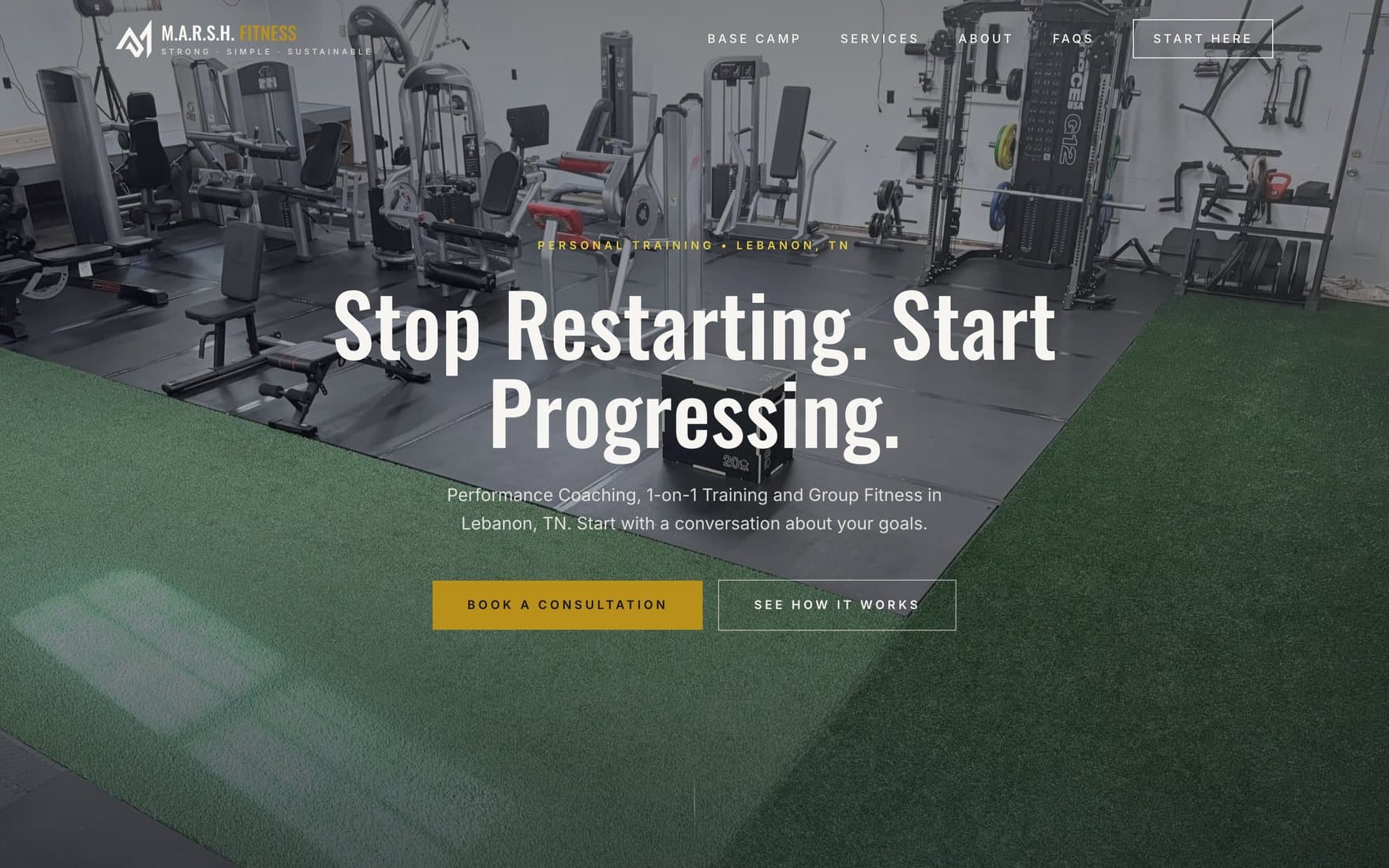
Personal training · Lebanon, TN
Live demo · in progress
What a coaching business could run on — my own demo, built for a business that has not adopted it.
Next.js and Postgres on Vercel, with sign-in, transactional email and a scheduled daily digest.
Interior design
Public site + content workspace
An identity change without losing the site she already had.
Next.js and Postgres on Vercel. Page sections, services and galleries are database rows rather than code, and the old domain redirects path-for-path to the new one.

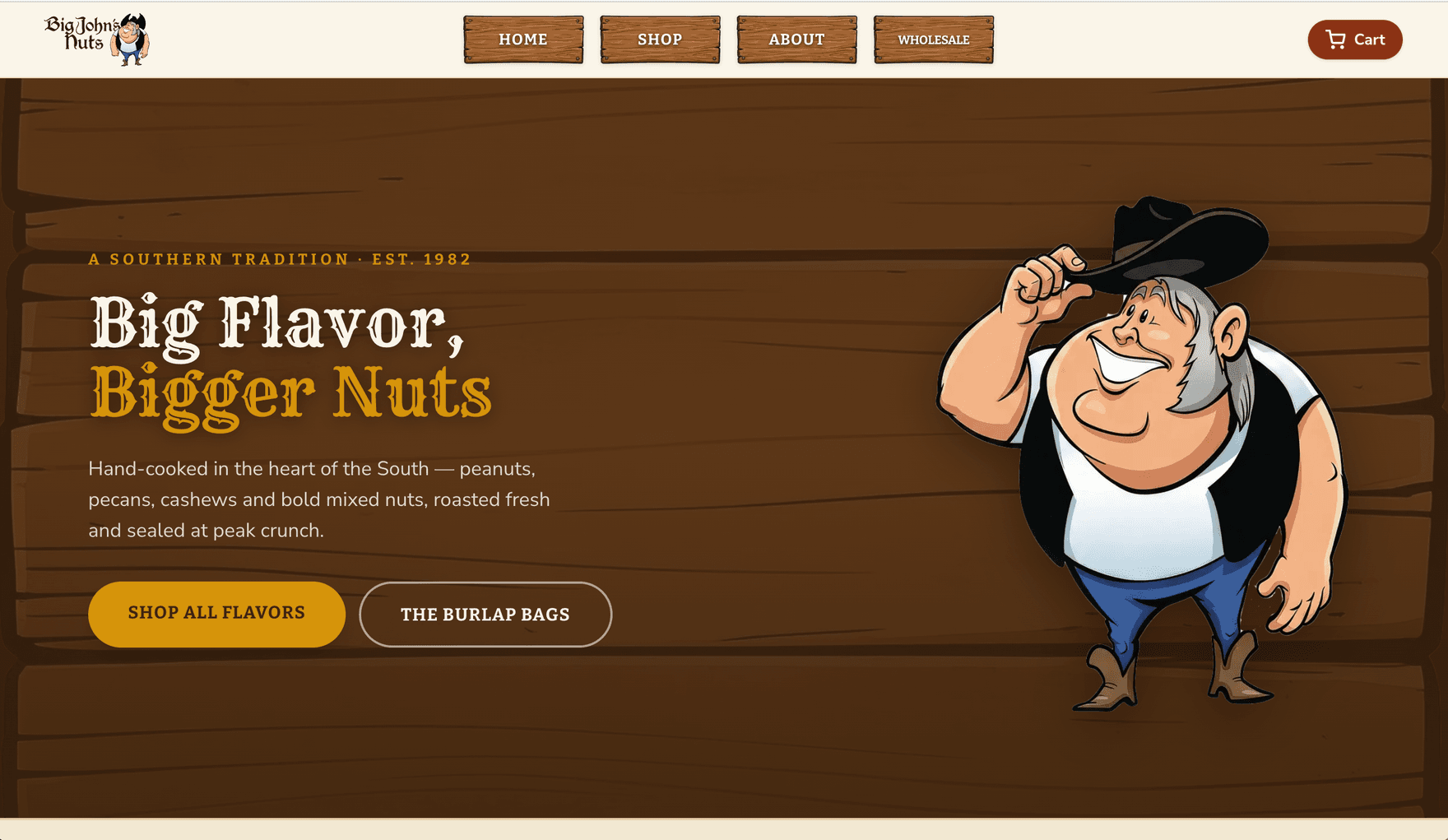
Consumer goods · multi-brand
Storefront + shared back office
Separate brands, one shared set of product records.
Next.js and MongoDB Atlas on Vercel with product images on S3. Products and orders each carry a brand, and the shared admin is routed on its own hostname, separate from the public storefronts.
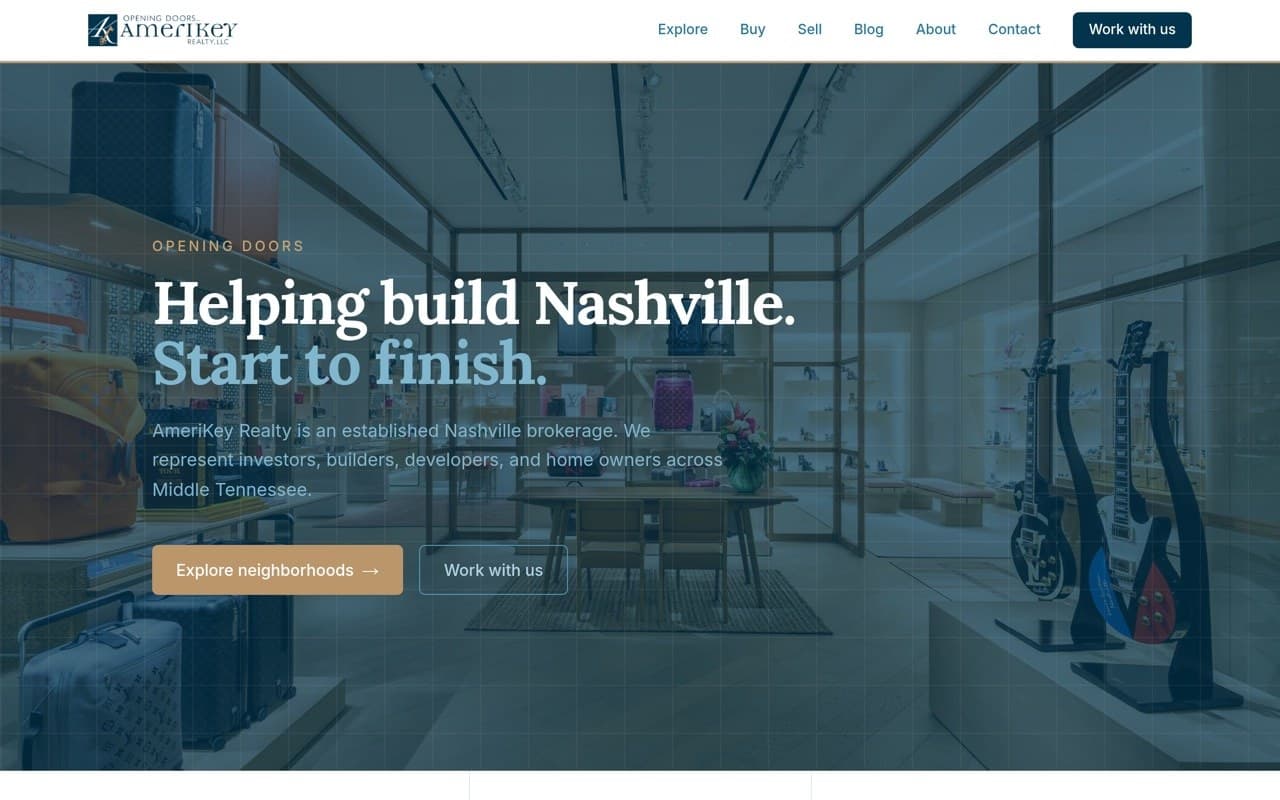
Residential real estate · two brokerages
Publishing workflow
Local knowledge that lived in conversations, published properly.
Two separate Next.js and Postgres deployments sharing one structure: markdown-backed neighborhood content, plus a research queue that writes candidates and drafts with their evidence attached.
How the work runs
Each one is small enough to finish and judge on its own. You decide whether there is a next.
We go through how the business actually runs and agree on the single constraint worth removing first. Before anything gets built, you get a written proposal: the scope, the deliverables, how we will both judge that it is done, and the fee.
Usually that is a workflow or automation built around tools you already pay for — Claude, ChatGPT, your CRM, your back office. Sometimes the problem earns a custom system. We pick the cheaper one that actually works, and anything beyond the agreed scope is proposed separately before it starts.
It goes live with a person reviewing the steps that need judgement, written documentation, and a walkthrough for the people who will use it. We check it against the acceptance criteria in the proposal, and the handoff happens the way the proposal sets out.
Some systems need hosting, monitoring and adjustments after launch; some do not. Whether there is an ongoing arrangement, and on what terms, is written into the proposal alongside the project rather than bundled into it.
The project fee pays for the agreed deliverables. Hosting, software licences and any ongoing support are separate from it. Who holds which accounts, what is handed over at the end, and whether I stay involved afterwards are set out in the proposal before work starts, so neither of us is guessing.
Who you are working with

Austin Adams
Kickfire Creative LLC
I run this as one person with a deliberately small book of work. That is the constraint that makes the rest of it honest.
No account manager, no handoff to a team you have not met. The person who sits with you and works out the constraint is the person who writes the code and hands it over.
One bottleneck at a time, with written deliverables and acceptance criteria for what it means for it to be gone. You pay for those agreed deliverables, and you can judge them when they land.
Before work starts, the proposal sets out the scope, the deliverables, how acceptance works, and how anything extra would be agreed. Ownership, the accounts it runs on, ongoing support and the handoff are written down there too.
Before you write
You tell me where the week goes wrong, and I ask about the parts that sound expensive. We are looking for one thing that costs real time or loses real work, that you could tell had improved, and that is small enough to finish. If nothing meets all three, I will say so rather than invent a project.
Often not. The first look is at what you already pay for and whether it is being used properly. New software is worth it when the workflow genuinely does not exist yet — not as a default. Where it runs, and whose accounts it uses, is agreed in the proposal.
A project is paid work with a written proposal: the scope, the deliverables, the acceptance criteria and the fee. You pay for those agreed deliverables. Anything beyond them is scoped and agreed separately before it starts. Hosting, licences and ongoing support are separate from the project fee.
Yes, and that is usually the better place to start. A focused workflow or automation inside your existing tools is cheaper, lands faster, and tells us both whether a bigger build is justified. The systems shown above grew out of that kind of work; they were not the opening move.
We check it against the acceptance criteria, and the people using it get documentation and a walkthrough. What happens next — hosting, monitoring, adjustments, or nothing further — follows what the proposal set out. A next improvement is scoped as its own project.
Ownership of deliverables, reusable components, hosting accounts, support and the exit or handoff are set out in the proposal before work starts. Client ownership and paid hosting can coexist; the arrangement depends on the scope. Your business data stays yours — I do not reuse it, and anything I would want to show publicly gets your approval first.
The first step
That is the whole first step. No brief and no discovery deck — just the one thing that keeps costing you the most, and a reply from me.